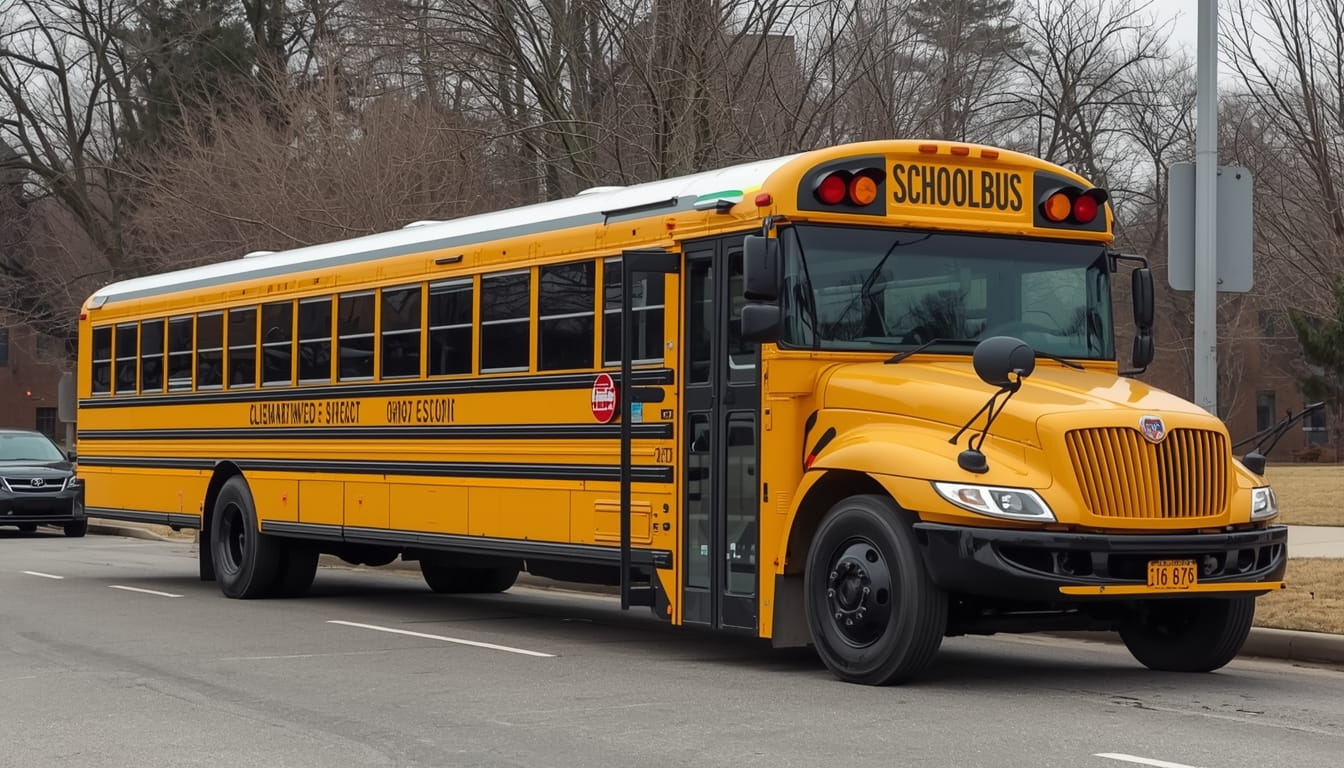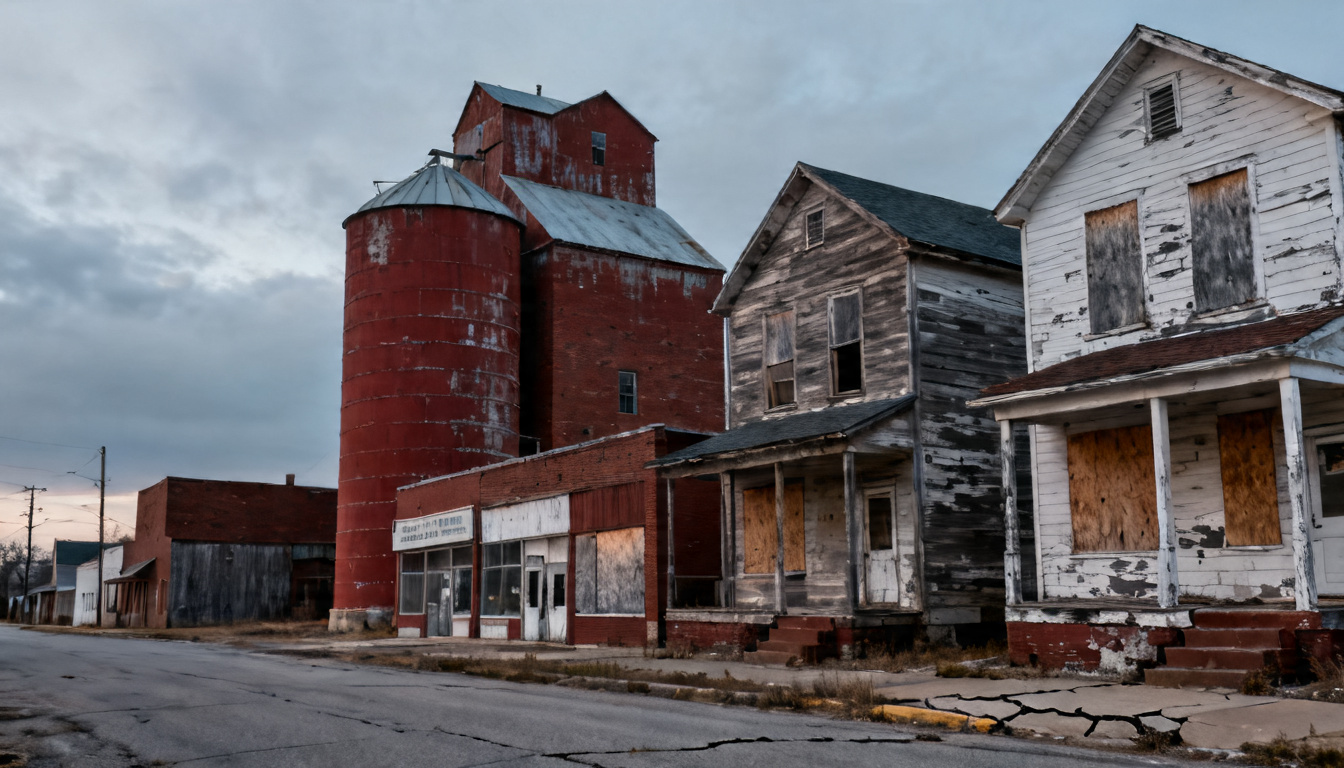
The scenery hardly flinches when you drive across central Ohio on a Tuesday afternoon. At the town’s edge are grain silos. A strip mall that lost its anchor shop three years ago is now anchored by a Dollar General. Outside the post office, a pickup vehicle is parked. It doesn’t appear to be a political revolution. However, something has been changing slowly, obstinately, and nearly completely without the recognition it merits, somewhere between that closed factory and the neighbourhood diner.
For many years, the Midwest has been a joke. Flyover nation. An area whose duty it is to cultivate corn and produce nostalgic background video for political advertisements. It has been viewed by Washington planners as either an inconvenient barrier to be disregarded or a trustworthy bank of electoral votes to be gathered. Every four years, coastal journalists often parachute in, interview someone at a diner, and depart with a story half-written before the plane touches down. It’s becoming more difficult to repeat that routine. The narrative on the ground no longer closely resembles the blueprint.
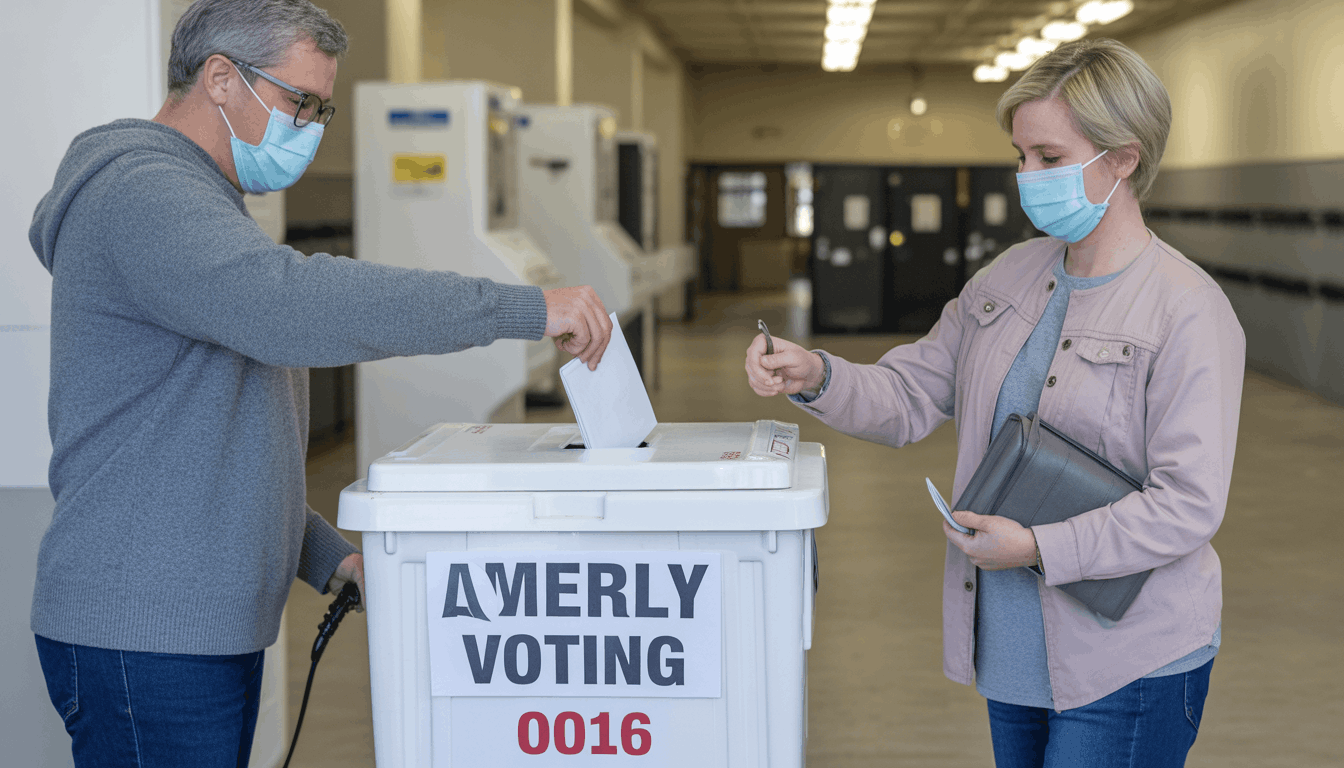
If you look closely, you will see that a political realignment has been developing for a generation. Cable news doesn’t like the sudden disruption. Until anything bursts at the surface, it’s more akin to a gradual geological movement. The working-class voters who previously constituted the core of Democratic politics in the Midwest have been shifting, and not necessarily in the clear-cut, straightforward manner that the data indicates, toward the Republican Party. Some have only gone in one direction. Some have just ceased to appear. Some have begun casting ballots in ways that defy the conventional classifications.
KEY FACTS & REFERENCE
| Region | The American Midwest (12 states: IL, IN, IA, KS, MI, MN, MO, NE, ND, OH, SD, WI) |
| Population | ~68 million residents (approx. 20% of the U.S. population) |
| Electoral Votes | ~130 combined electoral votes across Midwestern states |
| Key Swing States | Michigan, Wisconsin, Ohio, Minnesota, Pennsylvania (border region) |
| Dominant Industries | Agriculture, auto manufacturing, steel, logistics, and healthcare |
| Political Shift Period | 2010s–present; notable realignment accelerating post-2016 |
| Historical Leaning | Traditionally mixed, once reliable Democratic “Blue Wall” states are now contested |
| Reference Links | Pew Research Centre — Political Trends Brookings Institution — Midwest Economy & Politics |
Most of this seems to have been motivated by the economic narrative. In Michigan and Indiana, the car industry, once a given, shrank in ways that are difficult to depict on maps. The communities that were established around those jobs are just as important as the employment losses. Employment was not the only thing lost by towns that lost a plant. Their organising logic was lost. Quietly downstream from the factory gates were the schools, churches, and bowling leagues. More than just an industry was lost when the gates closed.
Both sides may have been misinterpreting this for years. Democrats took on allegiance that had evolved from transactional to conditional. Republicans were able to successfully tap into a wellspring of hatred they had not anticipated. However, neither story really captures the complexity of the politics that are actually developing in the Midwest today. In Wisconsin, voters split their tickets. Once consistently blue suburban counties outside of Detroit have emerged as real battlegrounds. Candidates who are difficult to categorise have occasionally come from rural areas that swung strongly in one direction.
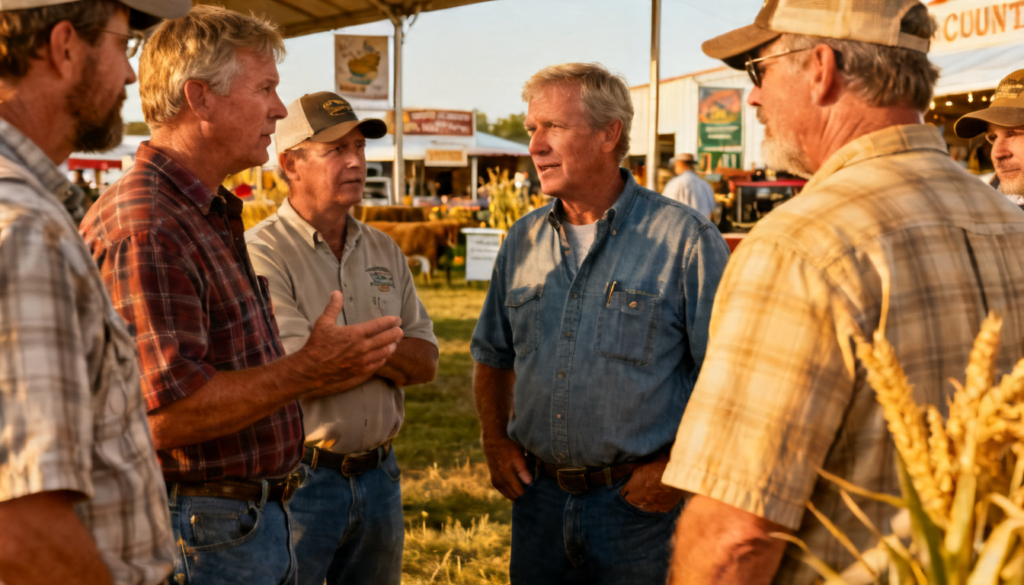
When you walk into an Iowa county fair, the political discourse is focused in a way that is rarely captured by national media. Farmers don’t use abstract language. They discuss input costs, commodity pricing, the impact of trade policy on soybean markets, and whether their children will be able to afford the farm they grew up on. Rather than the other way around, the ideology, if you want to call it that, comes from those particulars. Though it may be more similar to how real political change occurs, that is not how television politics operate.
The extent to which Midwestern voters are conscious of how they’ve been portrayed and averse to it feels truly novel. Being planned by consultants who go through, explained by non-residents, and then forgotten until the next election cycle is a silent source of annoyance. It’s still uncertain whether this annoyance will result in something long-lasting that truly changes the area’s political identity. It could. One county commission seat and school board election at a time, the infrastructure for it appears to be developing.
The Midwest continued to work even when the focus switched to technology, coastal culture conflicts, or whatever issue came up that week. Silently, it continued to debate what type of place it wanted to be. There isn’t yet a satisfying conclusion to the script it’s crafting. However, it’s becoming increasingly distinctive; it’s neither the version passed down from Washington nor the one made quickly for a camera crew. Perhaps the most intriguing political trend in America that hasn’t been thoroughly covered yet is that.