One type of stress is one that doesn’t show up. It doesn’t come with a dramatic diagnosis or a pink slip. A grocery bill that seems slightly larger than the previous month, a savings account that never quite grows as it should, or a birthday meal that is postponed because the time “just isn’t right” are just a few examples of how it silently accumulates. For millions of middle-class Americans today, this is their everyday reality, and it is considerably more severe than it appears.
It’s worth taking the time to consider the figures. The typical household income, according to the Census Bureau, is around $74,500. This amount seems reasonable, even comfortable, until you compare it to the true costs of an average middle-class living in 2025.
A car, food, daycare, health insurance, and mortgage payments can add up to $120,000 to $140,000 annually in any mid-sized urban region. The numbers don’t add up. It hasn’t in a long time. Credit cards, lowered expectations, and the type of denial that resembles optimism until it abruptly stops are all used by families to covertly close that gap.
Spending time with this data reveals how long this has been developing without leading to a genuine moment of national reckoning. Between 2020 and 2024 alone, the Consumer Price Index increased by about 20%. Over the previous ten years, real earnings, adjusted for inflation, increased by less than 0.5% each year.
A family’s annual healthcare premiums now average more than $25,000, and that’s before deductibles, which have more than quadrupled since 2009. In just four years, the cost of childcare increased by 29%. These macroeconomic circumstances are not abstract. According to a 2024 Primerica study, 65% of middle-class Americans say they are struggling financially for these precise, grinding reasons.
In all of this, it’s difficult to ignore a certain type of irony. The unemployment rate is still relatively low. On paper, GDP figures seem respectable. For years, politicians from both parties have been vying for the affection of the middle class. However, over half of households with incomes between $50,000 and $100,000 said they couldn’t afford a $500 emergency without taking out a loan or incurring debt. That is hardly indicative of a prosperous economic generation. That’s frailty disguised as respectability.
The Quiet Crisis Reshaping America’s Middle Class
| Category | Details |
|---|---|
| Topic | Economic decline and financial stress of America’s middle class |
| Income Range (Middle Class, 2025) | $41,392 – $124,176 annually (Pew Research Centre estimates) |
| Median Household Income (2025) | ~$74,500 (U.S. Census Bureau) |
| Middle Class Share of Population | ~54% self-identify as middle class (Gallup, 2024) |
| Paycheck-to-Paycheck Rate | 65% of middle-income Americans report financial struggle (Primerica, 2024) |
| Inflation Impact (2020–2024) | Consumer Price Index rose by over 20% |
| Emergency Savings Gap | 46% cannot cover a $500 emergency without debt |
| Key Cost Pressures | Housing, healthcare, childcare, education, commuting |
| Reference Sources | Pew Research Centre – Middle Class in America · U.S. Census Bureau – Income and Poverty |
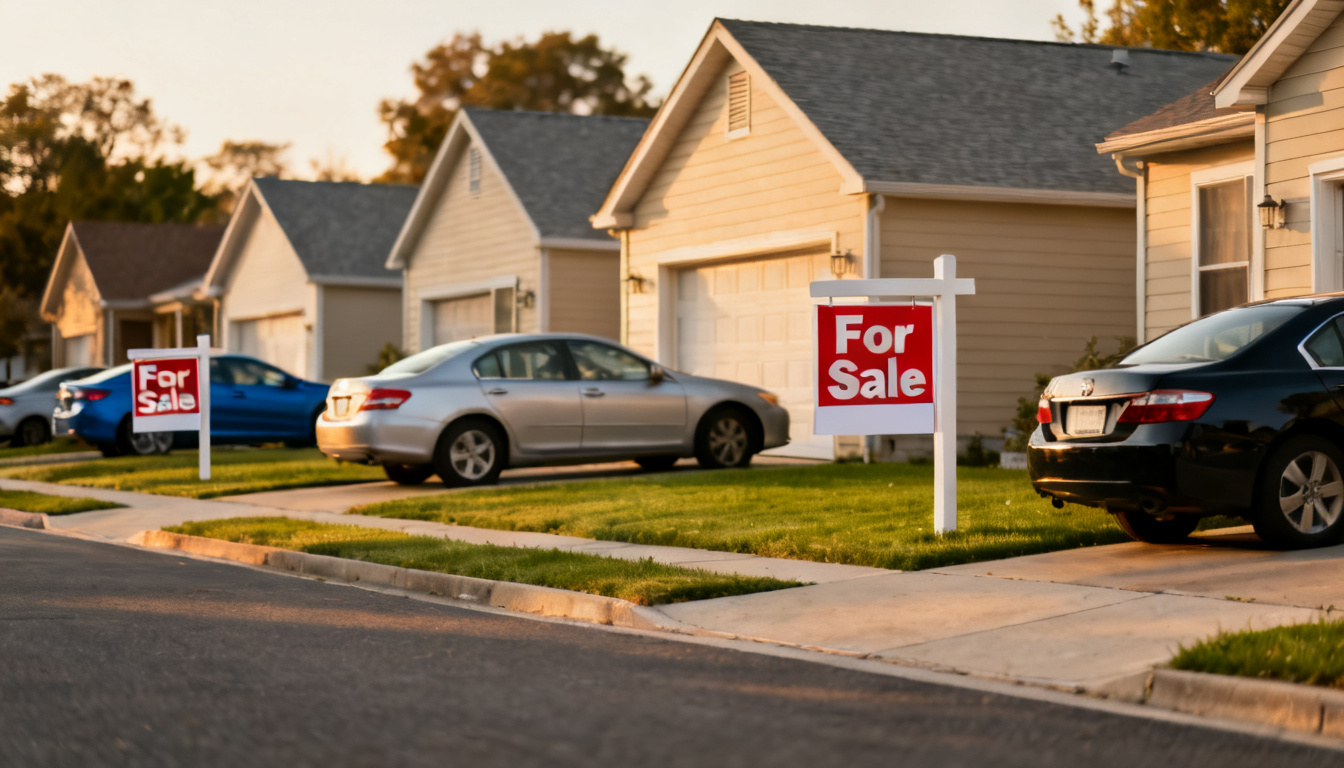
In a sense that is difficult to express, housing is at the core of this strain. In early 2024, the national median house sale price surpassed $420,000, a figure that would have sounded unreal ten years before. That’s not only pricey for someone making $75,000 a year; without a substantial family fortune to rely on, it’s almost unachievable.
For many years, owning a home was the most certain way to accumulate middle-class wealth, but now it’s more akin to winning the lottery. Here, younger families are more vulnerable, as they inherit a market that favours existing owners while excluding those still attempting to enter. This dilemma has a generational component that is sometimes overlooked in the overall numbers.
Many households were unprepared for the additional expenses brought on by the return-to-office wave. Fuel, parking, and transit passes, as well as the childcare that remote employment had previously allowed families to manage differently, began to reappear. According to one wealth advisor, the average American worker’s monthly commuting expenses exceed $200, plus childcare costs of $1,000 to $1,500 per child. These aren’t extravagances. They are the cost of having a job.
The political system’s ability to comprehend the scope of what’s happening here is seriously called into question. The middle class is frequently brought up by both parties; it’s almost a rhetorical device at this point, but the legislative solutions have been sluggish, fragmented, and frequently poorly targeted. Meanwhile, the hopeful narrative presented in news conferences and campaign speeches continues to diverge from the real-life experiences of middle-class families.
Some of this could go away. Some analysts contend that wage growth will ultimately catch up with inflation, which has declined since its high in 2022. However, the prices paid in the interim don’t go back. Once the headline inflation figure declines, those who depleted their savings or incurred debt during the squeeze are not immediately reimbursed. Household balance sheets already bear the scars of this era in ways that will take years to heal.
Honesty appears to be the most important thing at this time. Because it’s little, the silent catastrophe transforming America’s middle class isn’t quiet. It’s quiet because the residents are still coping in some way, whether it’s by picking the generic brand, arriving at work, paying bills a few days late, or persuading themselves that things will get better soon. That resilience is genuine and merits recognition. However, it should not be interpreted as proof that everything is well. It isn’t.